
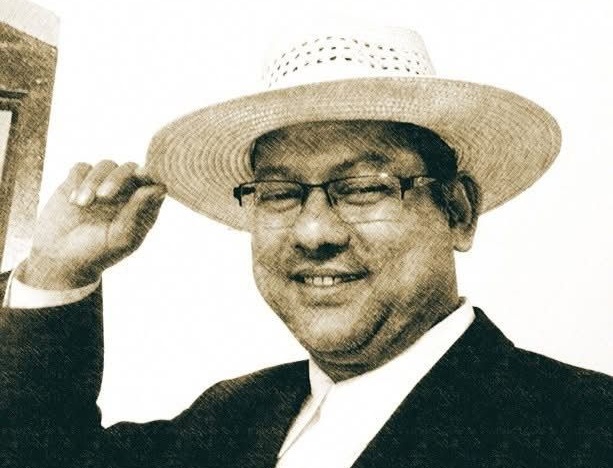
India: Surendra Gadling kept in prolonged detention for 8 years
22 April 2026
Mr Surendra Gadling is a lawyer specialising in the defence of human rights and marginalised communities, particularly Dalits and indigenous peoples in India. He has been held in detention for nearly eight years in connection with the Bhima Koregaon case[1]. He is now the only defendant still in prison – the other fifteen people prosecuted in this case have been released on bail.
Gadling was arrested in 2018 and is one of a group of human rights defenders prosecuted for their alleged involvement in violence that occurred in Bhima Koregaon. Several organisations believe that these prosecutions are in fact targeting committed activists and denounce the charges as baseless.
Mr Gadling is also being prosecuted in another case linked to a fire at a mining site in Surajgarh. According to several lawyers, inconsistencies have been identified in the complaint (including the absence of evidence linking him directly to the incident).
In both cases, the key evidence used against him is the purported discovery of incriminating documents found on his PC. Independent Cyber forensic analysts have observed that these documents were planted using a Remote Access Trojan unknown to Mr. Gadling.
Several lawyers’ organisations have called for his immediate release and condemned the use of the Unlawful Activities Prevention Act (UAPA), which is considered particularly repressive. The prolonged detention of Mr Surendra Gadling raises serious concerns regarding respect for the right to liberty and a fair trial. It also raises questions about the protection of lawyers and human rights defenders, particularly when they are involved in sensitive cases.
The Observatory calls on the Indian authorities to ensure that Surendra Gadling’s fundamental rights are respected, in particular his right to a fair trial within a reasonable time.
The Observatory reminds the Republic of India of its obligations under international law, in particular the United Nations Basic Principles on the Role of Lawyers.
The Observatory urges the Republic of India to comply with the obligations of the International Covenant on Civil and Political Rights, Article 14(3) of which provides that: « In the determination of any criminal charge against him, everyone shall be entitled to the following minimum guarantees, in full equality: (…) (b) To have adequate time and facilities for the preparation of his defence and to communicate with counsel of his own choosing; (c) To be tried without undue delay (…) ».
[1] The violence in Bhima Koregan, which occurred on 1 January 2018 during the bicentenary commemoration of the Battle of Koregaon Bhima, won by the Dalits against the Peshwas (rulers of the upper caste).


